Buying
A Step-by-Step Guide to Shopping for a New Home
Published June 17, 2026 · by Ur Mortgage

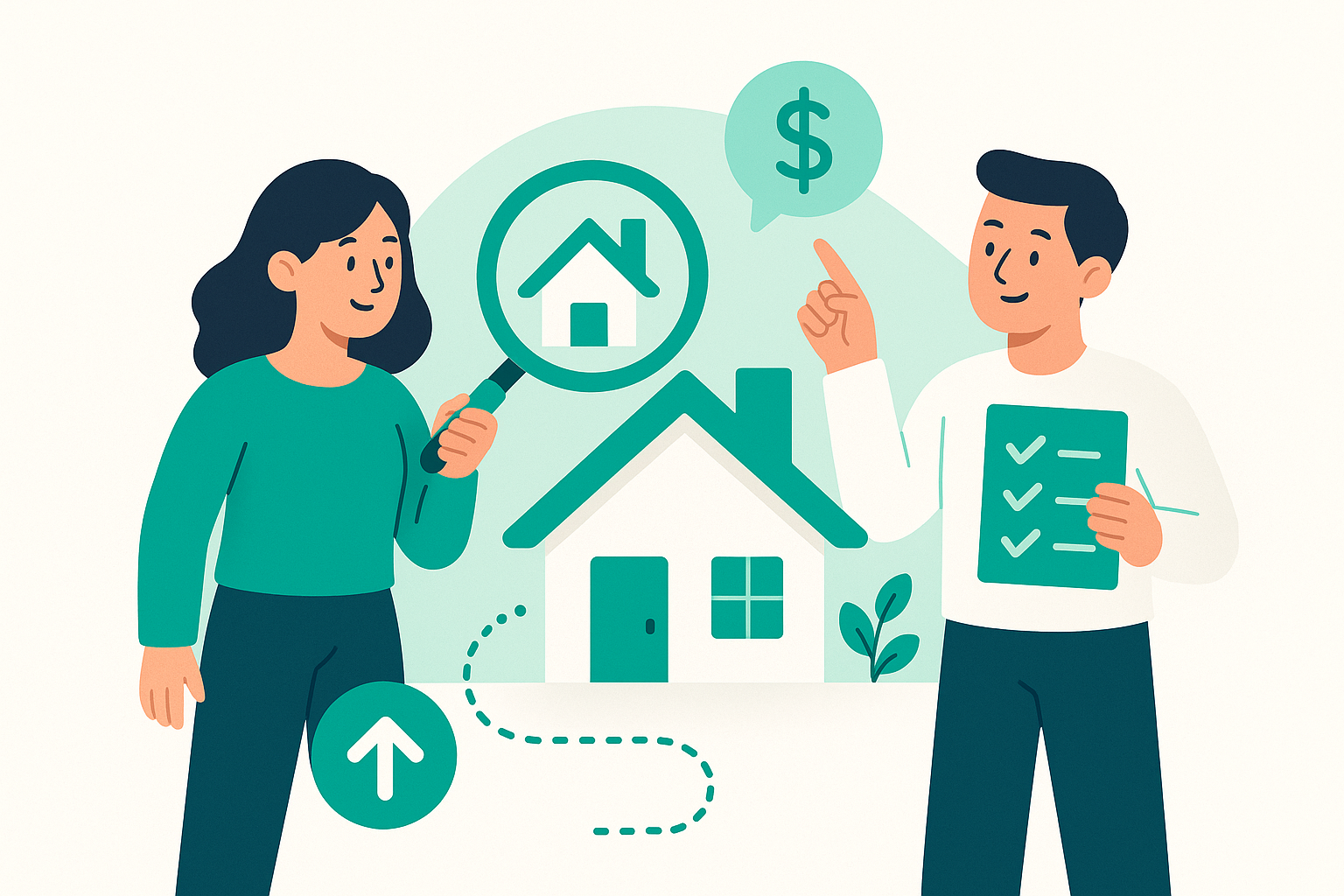
Buying a new home is an exciting journey, but it can also feel overwhelming, especially for first-time buyers. With so many steps involved, it's easy to feel lost or unsure about where to start. This guide walks you through the home buying process, providing clarity and confidence as you embark on this important life decision.
Understand Your Budget
Before you start house shopping, it's crucial to understand your financial situation. Knowing what you can afford will save you time and help narrow down your options. Begin by reviewing your income, expenses, and savings to determine how much you can comfortably allocate toward a new home.
- Calculate Your Debt-to-Income Ratio: Lenders use this ratio to assess your ability to manage monthly payments. Generally, a lower ratio is more favorable.
- Consider Additional Costs: Beyond the mortgage, remember to factor in property taxes, insurance, maintenance, and potential homeowners association (HOA) fees.
- Save for a Down Payment: While the amount needed can vary, having a substantial down payment can improve your mortgage terms.
Get Pre-Approved for a Mortgage
Once you have a clear understanding of your budget, the next step is to get pre-approved for a mortgage. Pre-approval not only gives you a better idea of what you can afford but also shows sellers that you are a serious buyer.
- Research Lenders: Explore different lenders to find one that offers terms that suit your needs.
- Gather Documentation: Be prepared to provide financial documents like pay stubs, tax returns, and bank statements.
- Understand Your Loan Options: Familiarize yourself with various types of mortgages, such as fixed-rate and adjustable-rate loans, to determine which one aligns with your financial goals.
Define Your Home Preferences
With a clear budget and pre-approval in hand, you can begin defining what you want in a home. This step helps streamline your search and ensures you focus on properties that meet your criteria.
- List Must-Haves and Nice-to-Haves: Consider factors like location, size, number of bedrooms, and proximity to work or schools.
- Explore Different Neighborhoods: Visit potential areas to get a feel for the community, amenities, and commute times.
- Think Long-Term: Consider how your needs might change in the future and whether the home can accommodate those changes.
Start House Hunting
Now comes the exciting part—house shopping! With your preferences in mind, you can begin visiting properties that fit your criteria.
- Work with a Real Estate Agent: A knowledgeable agent can provide valuable insights, arrange viewings, and negotiate on your behalf.
- Attend Open Houses: These events offer a convenient way to explore multiple homes in a short period.
- Take Notes and Photos: Keeping track of each home's pros and cons will help you make an informed decision later.
Make an Offer and Close the Deal
After finding a home that you love, it's time to make an offer. This step requires careful consideration and negotiation to ensure you get the best possible deal.
- Decide on an Offer Price: Your real estate agent can help you determine a competitive yet reasonable offer based on the home's market value.
- Prepare for Negotiations: Be ready to negotiate terms such as closing costs, repairs, and the closing date.
- Finalize the Purchase Agreement: Once both parties agree, you'll sign a contract and proceed with the closing process, which includes a home inspection, appraisal, and finalizing your mortgage.
Protect Your Investment
After closing, it's essential to protect your new investment. Taking proactive steps can help maintain your home's value and ensure a comfortable living environment.
- Secure Home Insurance: Ensure you have adequate coverage to protect against potential damages or losses.
- Plan for Maintenance: Regular upkeep, such as servicing HVAC systems and checking for leaks, can prevent costly repairs down the line.
- Stay Informed: Keep up with local real estate trends and market conditions to understand how they might impact your home's value.
The Bottom Line
The home buying process can be complex, but with careful planning and the right guidance, you can navigate it successfully. By understanding your budget, securing pre-approval, defining your preferences, and working with professionals, you can find a home that meets your needs and fits your financial situation. Whether you're buying your first home or your next one, this step-by-step guide aims to make the journey smoother and more enjoyable. Happy house hunting!
This article is for general educational purposes only and is not financial, legal, or tax advice, nor a commitment to lend. Rates, programs, and guidelines change and vary by borrower; figures are illustrative. Ur Mortgage is empowered by Nexa Mortgage LLC (NMLS #1660690), an Equal Housing Lender. Contact a licensed loan officer for guidance specific to your situation.
Ready to take the next step?
Start your application in about five minutes — or get a no-obligation quote.